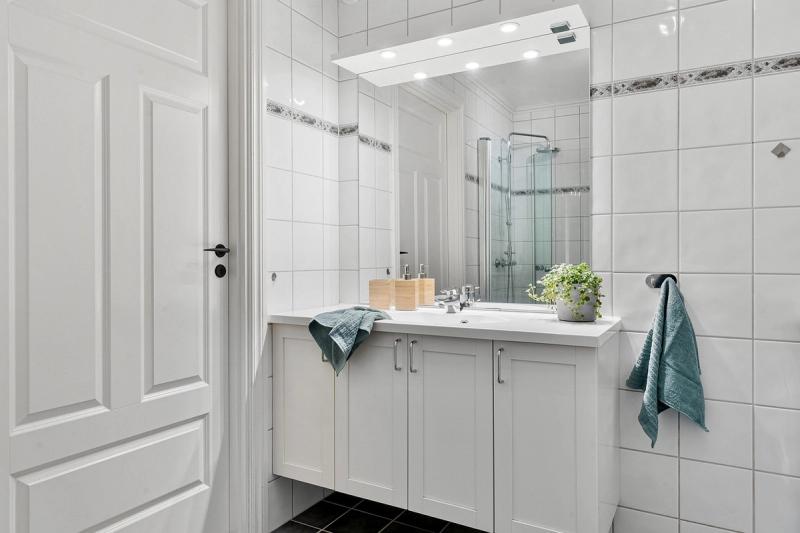
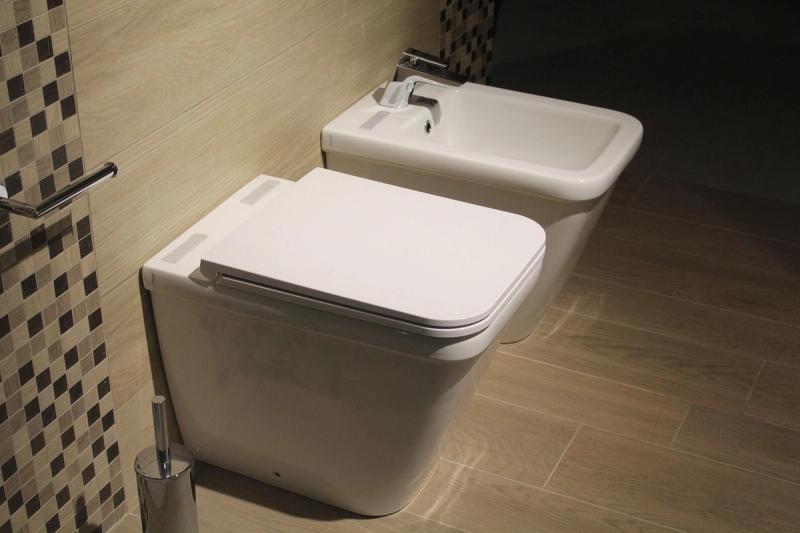
Bathroom fittings are no longer just about utility. In a modern bathroom, every element, from the basin and faucets to the shower controls, contributes to how the space looks and functions.
This design-led approach is also reflected in Sternhagen's bathroom collections, where form, materials, engineering and functionality are considered together to create a coordinated bathroom environment.
Two fittings that often cause confusion are wall mixers and diverters. Both can be part of a bathroom or shower setup, but they perform different functions. Understanding the difference will help you choose a configuration that suits your plumbing, bathing habits, design preferences and number of water outlets.
What Is a Wall Mixer?
A wall mixer is a bathroom fitting designed to mix hot and cold water before delivering it through an outlet. The controls allow you to adjust the flow and achieve a comfortable water temperature.
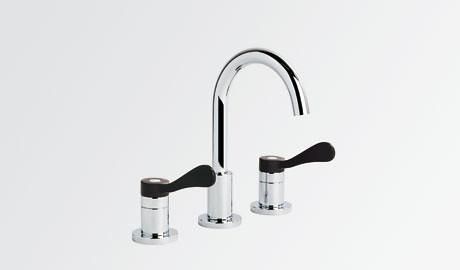
Wall mixers are commonly used with bath spouts and shower setups. Depending on the design, a wall mixer may also include or support a shower connection, allowing water to be supplied to more than one function.
One of the main advantages of a conventional exposed wall mixer is accessibility. Since much of the fitting remains outside the wall, operation, inspection and servicing can be relatively straightforward.
This makes a wall mixer particularly useful when upgrading an existing bathroom that already has compatible plumbing or when a simpler installation is preferred.
What Is a Diverter?
A diverter directs water between different outlets.
For example, a modern shower setup may include an overhead shower, hand shower and bath spout. A diverter allows you to select which outlet receives the water.
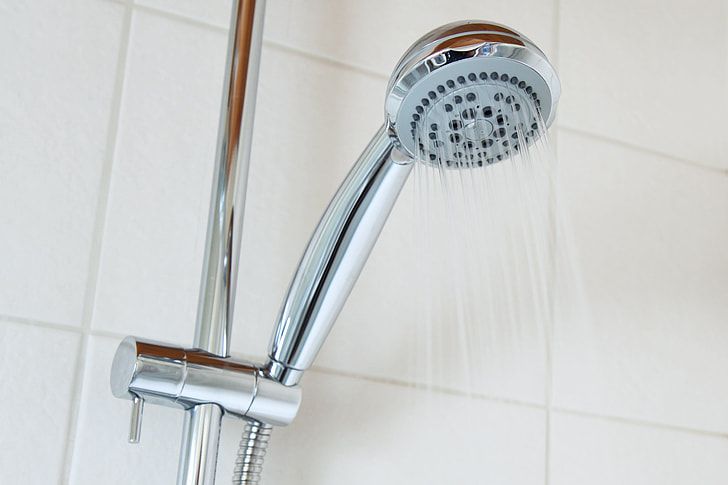
Many contemporary diverter systems use a concealed installation, where the working components are installed inside the wall and only the control plate, handle or trim remains visible. This helps create the clean, uncluttered appearance commonly preferred in modern bathrooms.
It is important to understand that a diverter and mixer are not technically the same thing. A mixer combines hot and cold water, while a diverter controls where that water goes. However, modern concealed shower systems may integrate both temperature/flow control and outlet selection within the same overall system.
A diverter therefore becomes particularly useful when the bathroom has multiple water outlets that need to be controlled from one location.
Wall Mixer vs Diverter: Key Differences
The simplest way to understand the difference is by looking at what each fitting controls.
| Feature | Wall Mixer | Diverter |
|---|---|---|
| Primary purpose | Mixes hot and cold water and controls flow | Directs water between different outlets |
| How it works | Combines hot and cold supplies before delivering water | Routes water towards the selected outlet |
| Hot and cold water mixing | Yes | Depends on the complete valve/system |
| Outlet selection | Available on some configurations | Specifically designed for outlet selection |
| Installation | Conventional models are often exposed | Commonly used as part of concealed systems |
| Best suited for | Simpler bathroom and shower setups | Multi-outlet, streamlined shower setups |
Primary Function
If your main requirement is controlling water temperature and flow, a wall mixer can provide a straightforward solution.
If you need to control where the water flows, such as switching between an overhead shower and hand shower, a diverter performs that function.
Number of Water Outlets
A simple bathroom may only require a spout and one shower outlet.
However, if the shower includes an overhead shower, hand shower, bath spout or additional outlets, managing the water flow becomes more important. A properly selected diverter can provide convenient control over these different functions.
Installation Requirements
Conventional exposed wall mixers can be easier to consider for existing bathrooms because much of the fitting remains accessible outside the wall.
Concealed diverters require the internal valve and associated plumbing to be planned inside the wall. They are therefore particularly suitable for new bathrooms or major renovations where plumbing can be designed before the wall finishes are completed.
In either case, compatibility should be checked before installation, particularly the inlet arrangement, water pressure, outlet requirements and the manufacturer's installation specifications.
Design and Bathroom Aesthetics
A wall mixer remains visible and can become part of the bathroom's overall visual design. A concealed diverter leaves fewer components exposed, creating a cleaner and more minimal appearance.
Sternhagen takes a similar coordinated approach across its Luxury Bath Suite, bringing together basins, faucets, sanitaryware and other elements so that material, form and functionality work as part of the complete bathroom rather than as isolated fittings.
Can You Use Both a Wall Mixer and a Diverter?
Yes, although the exact configuration depends on the products and plumbing system being used.
An easy way to understand their respective roles is:
The mixer sets the temperature; the diverter sets the destination.
The mixing valve provides water at the required temperature, while the diverter can direct that water towards the overhead shower, hand shower, spout or another compatible outlet.
However, you do not necessarily need two visibly separate fittings. Some shower systems integrate mixing and diverter functions, while others use separate concealed components.
The right arrangement depends on the number of outlets, plumbing design, available water pressure and the experience you want from the shower.
Factors to Consider Before Choosing
Existing Plumbing Setup
Start by checking the existing plumbing. If your bathroom already has compatible exposed hot and cold connections, installing a suitable wall mixer may require fewer changes.
A concealed diverter generally requires more planning because the valve body and pipework are installed within the wall.
Hot and Cold Water Supply
A mixer needs suitable hot and cold water supplies to work correctly. Before selecting your fittings, check how hot and cold water reach the bathroom and whether the plumbing configuration and water pressure meet the requirements of the products you plan to install.
Number of Water Outlets
Consider how you actually intend to use the shower.
For a simple shower or bath-and-shower arrangement, you may only need a straightforward configuration. If you want an overhead shower, hand shower, spout or multiple shower functions, a suitable multi-outlet diverter system may provide better control.
Bathroom Layout and Usage
Consider the size of the bathroom and who will use it. A compact family bathroom may benefit from a simple, accessible setup, while a larger master bathroom may have enough space and plumbing flexibility for a more elaborate concealed shower system.
Budget
Do not compare only the cost of the fittings.
The total project cost can also include plumbing changes, concealed components, installation, wall work, waterproofing, accessories and finishing. An exposed wall mixer can involve less wall work, while a concealed system should ideally be planned early in the bathroom project.
Ease of Use and Maintenance
Think about everyday operation as well as future servicing.
Exposed fittings generally provide easier physical access to more components. Concealed systems offer a cleaner appearance, but correct installation and access to serviceable components are especially important.
Wall Mixer or Diverter: Which One Should You Choose?
There is no single option that works best for every bathroom.
Choose a wall mixer when you want straightforward hot and cold water control, particularly for a simpler bathroom setup or compatible existing plumbing.
Consider a diverter system when your shower has multiple outlets and you want convenient outlet selection with a cleaner, more streamlined appearance.
For a new bathroom or major renovation, it is worth deciding on the shower configuration before the plumbing and wall finishes are completed. This makes it easier to plan the correct valves, outlets and controls without unnecessary changes later.
Ultimately, the right choice should bring together function, installation requirements and design. Sternhagen's approach to luxury bathroom fittings follows the same principle, combining contemporary design, materials and engineering to create bathroom spaces that work as a complete environment.