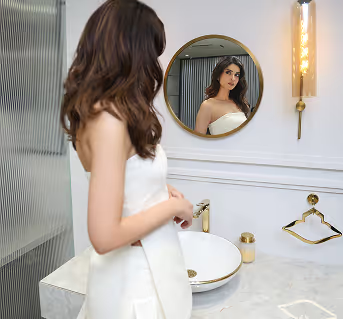
Steam bathing is no longer limited to spas, hotels and wellness centres. With the right planning and equipment, a steam experience can also be incorporated into a home bathroom.
But what exactly is a steam bath, how does it work, and how is it different from a sauna?
Before adding one to a bathroom, it is also important to consider the enclosure, waterproofing, ventilation, drainage, materials, equipment and installation requirements.
What Is a Steam Bath?
A steam bath uses warm, high-humidity air to create an enclosed bathing and relaxation environment.
A steam generator heats water and sends steam into a specially prepared enclosure. Unlike a normal shower, the space needs to be designed to contain the steam.
You may also come across terms such as steam room and steam shower. Although they are often used interchangeably, there can be differences.
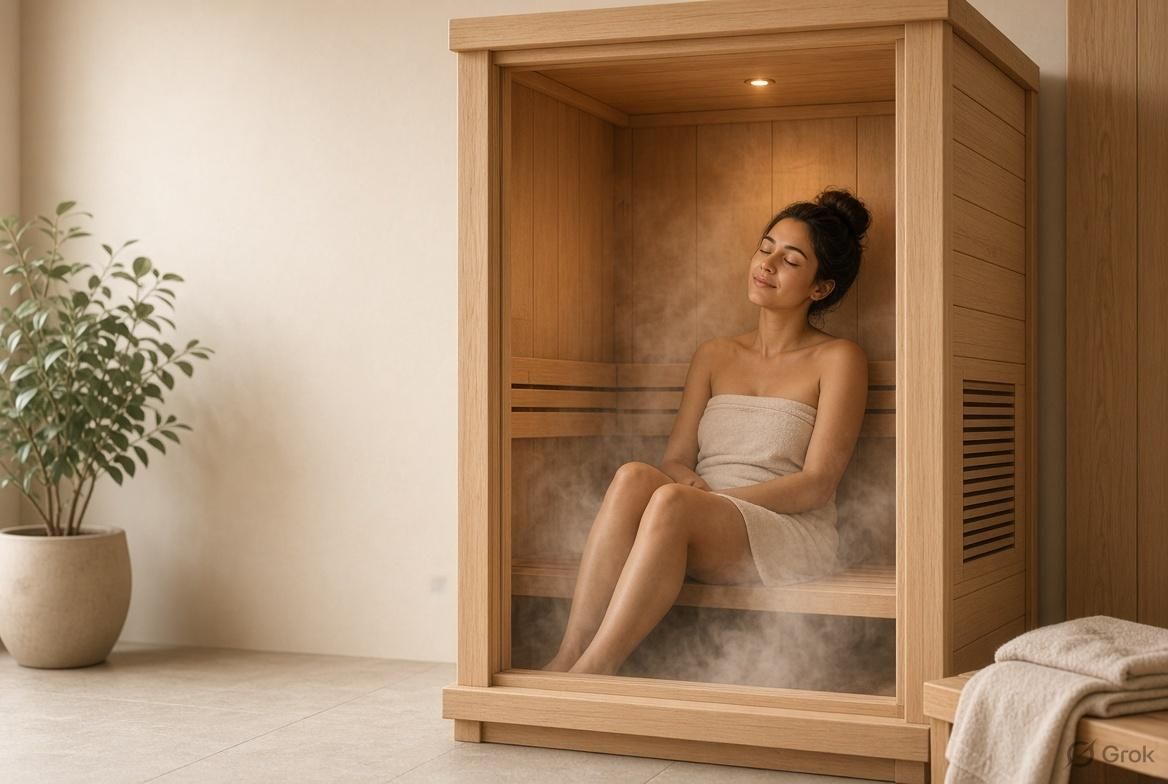
A steam room is generally a dedicated space designed for steam bathing. A steam shower combines regular showering and steam functions within a suitable enclosed shower area.
For homeowners who are already designing or renovating a bathroom, a steam shower can be a practical way to incorporate the experience without creating an entirely separate wellness room.
How Does a Home Steam Bath Work?
A typical home steam system works in a few basic steps:
- Water is supplied to the steam generator.
- The generator heats the water to produce steam.
- Steam is delivered into the enclosed steam shower or room.
- Controls allow the user to operate the steam session and available settings.
The basic process is simple, but the installation itself requires careful planning.
The enclosure must be able to retain steam, while the walls, ceiling, doors, seals and other materials need to be suitable for repeated exposure to heat and moisture.
Waterproofing, drainage, ventilation, plumbing and electrical work should also be properly planned. Because the installation combines water, heat and electrical equipment, the manufacturer's requirements and applicable installation standards should be followed, with qualified professionals handling the relevant work.
Benefits of Having a Steam Bath at Home
Relaxation After a Long Day
The warm, humid environment can provide a comfortable place to relax and unwind.
Having the steam function at home also means there is no need to visit a spa or wellness centre every time you want to enjoy a steam session.
A Spa-Like Experience at Home
A well-designed steam shower can add a wellness-focused element to the bathroom.
Combined with a suitable shower system, comfortable lighting, carefully chosen surfaces and coordinated fittings, the steam area can become part of a relaxing bathroom environment.
Warm Steam Can Feel Comfortable When Congested
Breathing warm, humid air may temporarily feel soothing when you have mild nasal congestion.
However, a steam bath should not be treated as a treatment or cure for respiratory illness. Anyone with health concerns should follow appropriate medical advice rather than relying on steam bathing.
Warmth and Relaxation
Many people find warmth relaxing after exercise or a busy day.
A steam session can therefore form part of a personal relaxation routine. It should not, however, be presented as a treatment for muscle injuries or other medical conditions.
A Convenient Personal Wellness Routine
One of the practical benefits of having a steam setup at home is convenience.
Instead of planning a visit to a spa, the steam shower can be used when it suits your routine, provided it is operated according to the equipment manufacturer's instructions.
Steam Bath vs Sauna: What's the Difference?
The biggest difference between a steam bath and a sauna is how they create the heated environment.
| Feature | Steam Bath | Sauna |
|---|---|---|
| Type of heat | Moist heat | Primarily dry heat |
| Humidity | Very high | Much lower |
| Experience | Warm, humid and steamy | Hotter-feeling, drier environment |
| Typical construction | Sealed steam shower or room | Dedicated sauna cabin or room |
| Heat source | Steam generator | Sauna heater |
| Bathroom integration | Can sometimes be incorporated into a shower area | Usually requires a dedicated space |
Exact temperatures and humidity levels vary according to the equipment and system.
In simple terms:
A steam bath surrounds you with humid heat, while a traditional sauna provides a much drier type of heat.
Which Is Better: Steam Bath or Sauna?
There is no single better option. The right choice depends on the type of experience you prefer, the space available and the installation requirements.
A steam bath may suit someone who prefers:
- A warm, humid environment
- Steam integrated into the bathroom or shower
- A spa-like shower experience
- A system that can potentially share space with a shower
A sauna may suit someone who prefers:
- A drier type of heat
- The traditional sauna experience
- A dedicated sauna cabin or wellness area
- A different heat sensation from a steam room
The decision should therefore be based on comfort, available space, installation requirements, maintenance and personal preference rather than treating one as universally better.
What Do You Need for a Steam Bath at Home?
An Enclosed Steam Area
Steam needs to be contained within the space.
The enclosure, door, ceiling, seals and wall construction should therefore be designed appropriately for steam use.
A conventional shower enclosure should not automatically be assumed to be suitable for conversion.
Steam Generator
The steam generator heats water and produces the steam supplied to the enclosure.
Correct sizing is important. The required generator capacity can depend on the enclosure size, construction materials and the manufacturer's sizing guidance.
Choosing the largest generator is not necessarily the right approach.
Steam Controls
Controls allow the user to operate the steam system and manage the settings provided by the equipment.
Their position should be considered during the bathroom-planning stage rather than after the walls and finishes have been completed.
Suitable Surfaces and Waterproofing
Steam places different demands on an enclosure compared with occasional shower spray.
Walls, ceilings, doors, seals and surrounding materials need to be suitable for repeated exposure to high humidity and heat. The enclosure also needs an appropriate waterproofing system.
Material selection and installation should follow the requirements of the steam-system and surface manufacturers.
Proper Drainage and Ventilation
The shower area needs suitable drainage for normal bathing and cleaning.
Ventilation is also important for managing moisture in the wider bathroom after steam use. The ventilation strategy should be planned as part of the complete bathroom rather than relying on simply opening the shower enclosure.
Professional Installation
A steam shower involves several systems working together, including plumbing, waterproofing, electrical equipment and ventilation.
Qualified professionals should assess the space and carry out the relevant installation work according to the equipment manufacturer's instructions and applicable local requirements.
Can You Turn an Existing Shower into a Steam Shower?
Sometimes, but not every existing shower is suitable for conversion without modification.
Before adding a steam generator, the existing shower should be assessed for:
- Enclosure and door design
- Ceiling construction
- Seals
- Waterproofing
- Surface materials
- Drainage
- Ventilation
- Plumbing
- Electrical supply
- Steam outlet and controls
- Generator location
An existing shower may need significant changes before it can safely and effectively contain steam.
For this reason, have the complete shower area assessed before purchasing the steam equipment rather than trying to adapt the enclosure afterwards.
Things to Consider Before Installing a Home Steam Bath
Bathroom Size and Layout
Consider how the steam enclosure will fit into the wider bathroom and where the generator and associated services can be located.
The enclosure should not make movement through the rest of the bathroom uncomfortable.
Generator Sizing
The generator should be sized for the specific enclosure and construction.
Follow the manufacturer's sizing method rather than choosing a unit simply because it has a higher output.
Materials
Tiles, stone, walls, ceilings, doors, seals and fixtures should all be appropriate for the conditions inside the steam enclosure.
Some materials may also influence the generator-sizing requirements, so material selection and equipment planning should be considered together.
Cleaning and Maintenance
Think about ongoing maintenance before installation.
Depending on the system and local water conditions, maintenance may include cleaning surfaces, checking drainage and seals, and following procedures for managing mineral build-up within the steam generator.
Always follow the equipment manufacturer's maintenance instructions.
Ventilation
After a steam session, the bathroom needs an effective way to manage excess moisture.
The ventilation system should therefore be considered during the planning stage, particularly in enclosed or windowless bathrooms.
Safety
Follow the manufacturer's instructions regarding operating temperature, session duration, controls, maintenance and safe use.
People who are pregnant or who have cardiovascular, blood-pressure or other medical conditions should seek appropriate medical guidance before using high-heat environments such as steam rooms or saunas.
Designing a Luxury Bathroom Around a Steam Bath
A steam bath works best when it is considered during the bathroom-design stage rather than added as an afterthought.
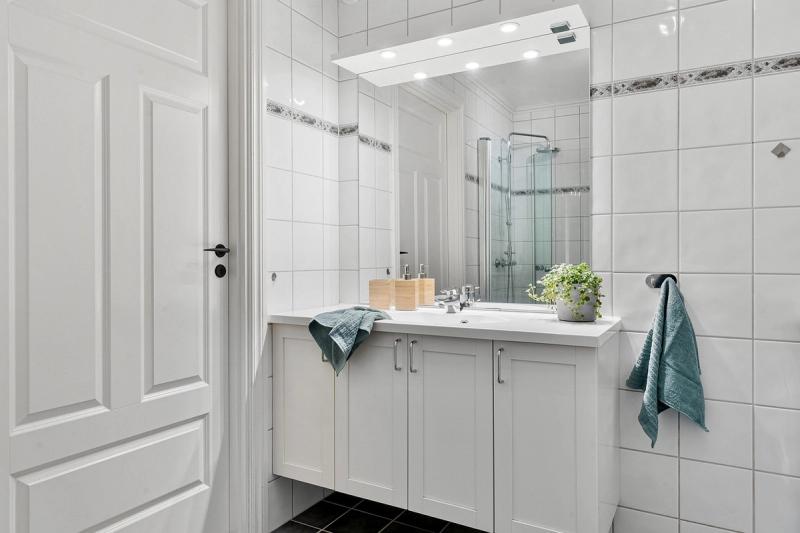
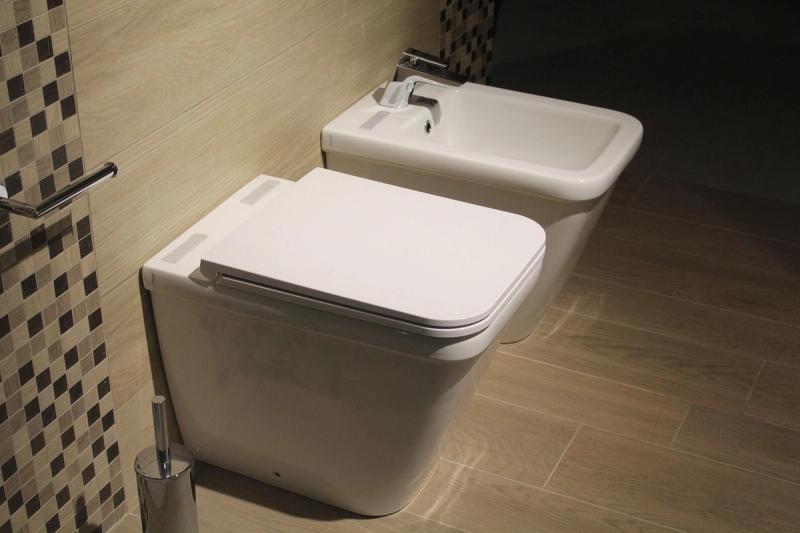
The steam enclosure can be coordinated with the shower system, mixers, basin and vanity, bathroom accessories, tiles, lighting and other finishes.
For example, the Sternhagen shower range can be considered as part of the wider shower environment, while Sternhagen's luxury bathroom collections can help guide the selection of basins, faucets, sanitaryware and other elements elsewhere in the bathroom.
The objective is to make the steam area feel like a natural part of the complete bathroom rather than a piece of wellness equipment added later.
Is a Home Steam Bath Worth It?
A home steam bath can make sense for someone who enjoys steam bathing regularly and is already designing or renovating a bathroom where the required installation can be properly planned.
Before deciding, consider:
- How often it will realistically be used
- Available bathroom space
- Installation requirements
- Generator and equipment costs
- Waterproofing and construction work
- Ventilation
- Cleaning and maintenance
- Ongoing operating requirements
If steam bathing will only be used occasionally, a significant home installation may not be worthwhile for every household.
If it fits your lifestyle and bathroom plans, however, it can become a convenient wellness-focused feature within the home.
Frequently Asked Questions
Can I have a steam bath in a normal bathroom?
Potentially, but a steam bath requires a properly prepared enclosure as well as suitable waterproofing, materials, drainage, ventilation, plumbing and electrical provisions.
A standard shower should not automatically be assumed to be suitable for steam use.
What is the difference between a steam shower and a regular shower?
A regular shower supplies water through shower outlets for bathing.
A steam shower combines normal shower functionality with a steam generator and an enclosure designed to contain the steam. It therefore has additional construction, equipment and installation requirements.
Is a steam bath the same as a sauna?
No.
A steam bath uses warm, high-humidity air, while a traditional sauna provides a much drier heated environment. They also use different equipment and usually have different construction requirements.
How long should you stay in a steam bath?
There is no single session length suitable for everyone.
Follow the steam-system manufacturer's instructions for operating temperature, settings and session duration. Personal comfort and individual health considerations should also be taken into account.
Does a steam bath use a lot of water?
Water consumption depends on the steam generator, system design, settings and length of the session.
Check the specifications of the particular steam generator if water consumption is an important consideration.
Can an existing shower be converted into a steam shower?
It may be possible, but the enclosure, ceiling, door, seals, waterproofing, surfaces, drainage, ventilation, plumbing, electrical supply and generator location should all be assessed first.
In many cases, some modification will be necessary before an existing shower can function properly as a steam shower.
Conclusion
A home steam bath can bring a spa-like experience into the bathroom, but successful installation involves much more than adding a steam generator to an existing shower.
The enclosure, waterproofing, surfaces, ventilation, drainage, plumbing and electrical requirements all need to work together.
The biggest difference between a steam bath and a sauna is also simple: steam bathing uses humid heat, while a traditional sauna uses much drier heat.
If you are designing a luxury bathroom around a steam shower, plan the wellness area alongside the shower, basin, faucets, sanitaryware, lighting and finishes from the beginning. Explore Sternhagen's showers and luxury bathroom products when planning a coordinated bathroom environment.