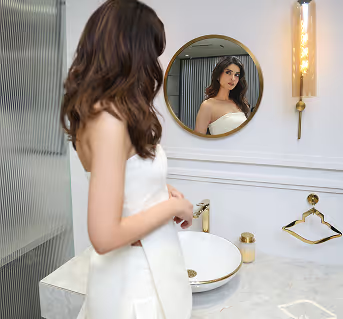
On a spec sheet, a wash basin is a wash basin and a toilet is a toilet. Yet two products that do the same job can feel completely different once they're installed: one becomes the piece that defines the bathroom, the other simply fills a gap in the layout. So what actually separates luxury sanitaryware from regular sanitaryware, and when is the difference worth paying for?
This guide compares the two across materials, design, finish, comfort, features and durability, then covers the main product types and how to choose the right sanitaryware for your bathroom.
What Is Luxury Sanitaryware?
Sanitaryware refers to the fixed ceramic or solid bathroom fixtures that handle water and waste: wash basins, toilets (also called water closets or WCs), bidets, urinals and bathtubs. Taps, mixers and showers are usually classed separately as bathroom fittings.
Luxury sanitaryware is the premium end of this category. What typically separates it from regular options isn't just appearance or price. It's a combination of materials, craftsmanship, design, comfort and functionality: how the product is made, how carefully it's finished, how it feels to use and how well it fits into a designed bathroom rather than simply serving a purpose.
Luxury Sanitaryware vs Regular Sanitaryware: Key Differences
| Feature | Regular Sanitaryware | Luxury Sanitaryware |
|---|---|---|
| Materials | Standard ceramic and other common materials | May use refined ceramics and specialty materials |
| Design | Primarily functional | Greater emphasis on distinctive design |
| Finish | Standard glazing and finishes | More attention to surface finish and detailing |
| Comfort | Basic everyday functionality | May offer improved ergonomics and comfort |
| Features | Essential functions | May include advanced hygiene and convenience features |
| Price | Generally more affordable | Usually higher priced |
These are broad tendencies, not fixed rules. Plenty of regular sanitaryware is well made and reliable, and product quality varies within both categories. The sections below look at each difference in more detail.
1. Materials and Build Quality
Most sanitaryware, regular and premium alike, is made from ceramic, with vitreous china being the most common choice for basins and toilets. Vitreous china is fired at high temperatures, which makes it dense, hard and low in water absorption, so it suits wet, high-use environments.
Where luxury sanitaryware often goes further is in specialty materials for statement pieces. Premium basins may be made from stainless steel, natural stone or other materials chosen for their character as much as their performance. The Inox Series, for example, uses stainless steel table-top basins, while the Cologne Free Standing Basin is carved as a single column of marble.
Whatever the material, manufacturing quality matters most. Even firing, structural integrity, accurate dimensions and good material selection affect how a basin or toilet performs, how it installs and how it holds up over time.
2. Design and Aesthetic Appeal
Regular sanitaryware generally sticks to familiar, standardised shapes that suit as many bathrooms as possible. Luxury sanitaryware puts more emphasis on distinctive design: minimalist, contemporary, sculptural or outright statement pieces.
Because basins and toilets are among the largest objects in a bathroom, their shape strongly influences how the whole room looks. A textured countertop basin like the SK Shell from the Creare by Sussanne Khan collection can become the focal point of a vanity, while a wall-hung toilet with soft contours, such as the Shin Water Closet, keeps the WC area visually light. Colour plays a role too: suites such as Kristall offer basins in shades like black, grey, ice blue and pale gold, not just white.
3. Surface Finish and Detailing
The glaze is what you see and touch every day, so finish quality is one of the clearest differences between premium and standard sanitaryware. Look for smooth, even glazing with no pinholes or ripples, consistent colour across the whole piece, and precise, cleanly finished edges.
A well-applied glaze is also practical. A smoother, non-porous surface resists staining and makes cleaning easier, which helps the product keep its appearance for years rather than months. This is especially relevant in areas with hard water, where rougher surfaces tend to hold onto limescale and marks.
4. Comfort and Everyday Functionality
Comfort often comes down to details that are easy to overlook in a showroom:
- Basin depth and shape: a well-proportioned bowl reduces splashing and leaves enough room for washing hands and face comfortably.
- Toilet height and seating: seat height, bowl shape and seat design affect comfort, particularly for older family members or anyone with limited mobility.
- Accessibility: wall-hung toilets can be installed at a height that suits the household.
None of these features show up in product photos, but they shape how the bathroom feels to use every day.
5. Advanced Features and Hygiene
Modern sanitaryware increasingly includes features aimed at hygiene and convenience:
- Rimless toilets: with no hidden rim for dirt to collect under, the bowl is easier to keep clean.
- Soft-close seats: the seat lowers slowly and quietly rather than slamming.
- Water-efficient flushing: dual-flush systems let you use less water when a full flush isn't needed.
- Easy-clean surfaces: smooth glazes and simpler shapes reduce areas where grime builds up.
The Shin, Opale and Pent water closets, for instance, combine rimless bowls with soft-close seat covers. It's worth being clear, though: these features are not exclusive to luxury sanitaryware. Many mid-range products now offer rimless bowls and soft-close seats too, so check the specification rather than assuming.
6. Durability and Long-Term Value
Well-made ceramic sanitaryware can last for many years, but durability depends on more than the product itself. Correct installation, adequate wall support for wall-hung units, and gentle cleaning all play a part.
When comparing products, look at resistance to everyday wear, how easy the surface is to maintain, the warranty, and whether replacement parts such as seat covers and waste couplings are available. A higher price doesn't automatically guarantee a longer life. A carefully installed regular toilet can outlast a premium one that was fitted badly.
Types of Luxury Sanitaryware for Modern Bathrooms
Luxury Wash Basins
Basins come in several formats. Countertop basins sit on a vanity and offer the most design freedom, wall-mounted basins save floor space, and pedestal or freestanding basins stand on their own as sculptural pieces. Freestanding designs like the Ulm and Konik basins show how a basin can become the focal point of the room through shape, material and finish. For more ideas, see our guide to statement metal basins.
Luxury Toilets
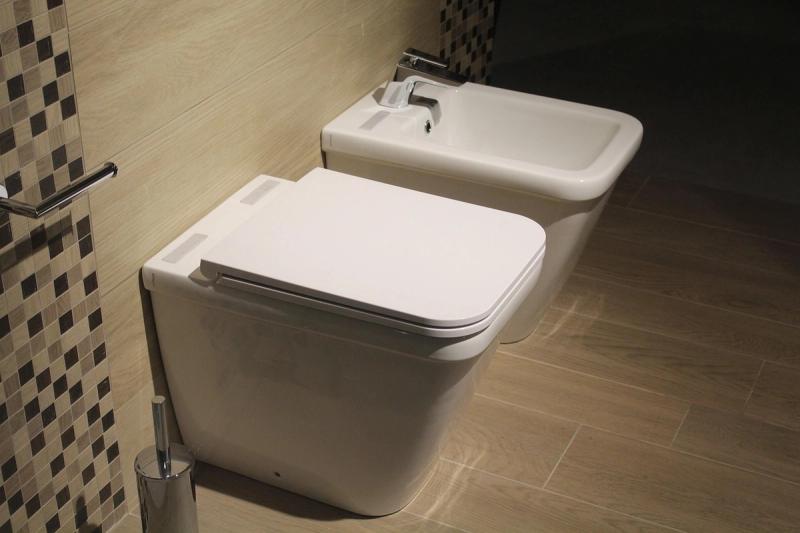
Toilets are usually wall-hung or floor-mounted. Wall-hung designs pair with a concealed cistern, keep the floor clear for easier cleaning and suit minimalist bathrooms. Floor-mounted toilets are simpler to install and suit bathrooms where the wall can't take a concealed frame. Comfort features such as soft-close seats and rimless bowls, along with the toilet's footprint, are worth comparing in smaller spaces. Browse Sternhagen's water closets to compare designs and finishes.
Bidets and Smart Toilets
Water-based cleaning can come from a traditional standalone bidet, an integrated bidet toilet, a bidet seat or a handheld health faucet. Some smart toilets add warm water, heated seats, air drying or automatic lids, but features vary widely and depend entirely on the product. Our guide to bidet toilets explains the options in detail.
Is Luxury Sanitaryware Worth the Extra Cost?
It depends on what you want from the bathroom.
Luxury sanitaryware makes sense for premium bathroom projects, design-focused interiors and homeowners who want specific materials, colours or features. If the bathroom is meant to be a showpiece, or if a basin is intended as the room's focal point, premium sanitaryware is often where that impression comes from.
Regular sanitaryware may be sufficient for functional bathrooms, guest or secondary bathrooms, rental properties and projects with a limited budget, where premium design isn't the priority. A good-quality regular basin or WC will do its job well.
In both cases, installation quality, practical suitability for the space and regular maintenance matter as much as the product you choose.
How to Choose the Right Sanitaryware for Your Bathroom
- Bathroom size: Choose fixtures that suit the available space. Wall-hung toilets and compact basins help smaller bathrooms feel more open.
- Design: Match the sanitaryware with the bathroom's overall style, from minimal to bold.
- Material and finish: Check durability, cleaning needs and surface quality.
- Comfort: Consider basin dimensions, toilet height and everyday usability for everyone in the household.
- Installation: Check plumbing positions, wall support for wall-hung units and fitting requirements.
- Budget: Balance design preferences with long-term practicality.
For a deeper checklist, read How to Choose Sanitaryware: 7 Essentials for a Better Bathroom. If you're also choosing taps and showers, our guide to what makes bathroom fittings luxury covers the fittings side.

Explore Luxury Sanitaryware by Sternhagen
Sternhagen designs sanitaryware as part of coordinated collections, so basins, water closets and other fixtures share the same design language and finishes. Suites such as Shin, Kristall and Pent pair matching basins and WCs, while An Ode to Germany offers freestanding statement basins. Explore basins, water closets and all products, or find a dealer to see them in person.
FAQs
1. What is the difference between luxury and regular sanitaryware?
Luxury sanitaryware places more emphasis on distinctive design, refined materials, surface finish, comfort and added features such as rimless bowls or soft-close seats. Regular sanitaryware focuses mainly on essential function and affordability. Quality varies across both categories, so compare individual products rather than labels.
2. Is luxury sanitaryware more durable than regular sanitaryware?
Not automatically. Well-made ceramic sanitaryware in either category can last for many years. Durability depends on manufacturing quality, correct installation, wall support for wall-hung units and regular, gentle cleaning, not just on price.
3. Which material is best for luxury sanitaryware?
Vitreous china and other high-quality ceramics are the most practical choice for toilets and most basins because they are dense, hard-wearing and easy to clean. For statement basins, stainless steel and natural stone such as marble offer distinctive looks, though they may need different care.
4. Is luxury sanitaryware difficult to maintain?
Generally, no. Smooth glazes, rimless toilet bowls and wall-hung designs can make cleaning easier. Use mild, non-abrasive cleaners, and follow the manufacturer's care advice for specialty materials like stone or metal finishes.
5. How do I choose luxury sanitaryware for a small bathroom?
Prioritise space-saving formats such as wall-hung toilets and compact countertop or wall-mounted basins. Keep the design simple, choose a consistent colour or finish, and check measurements and plumbing positions carefully before buying.